MATTER DEFINITION
Matter is everything around us: air, rocks, water, living things... Matter is anything that has volume and mass.
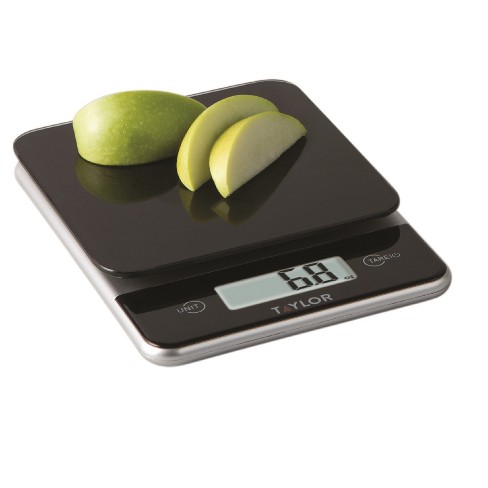
- Mass: it is the quantity of matter that an object has. We measure it in kilograms (kg) and grams (g). Measurement instrument: Scales.
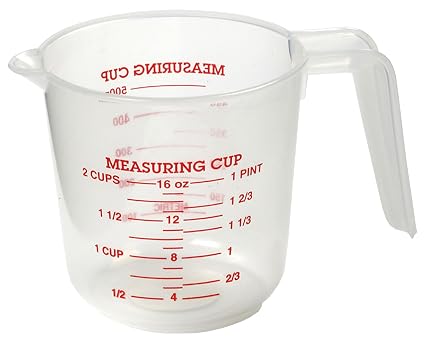
- Volume: It is the amount of space an object takes up. We measure it in litres (l) and millilitres (ml). Measurement instrument: test tubes and measuring cups.

PROPERTIES OF MATTER
- Hardness: we say matter is hard when it is difficult to scratch. example: metal is harder than chalk.

- Brittleness: matter is brittle when it breaks easily. Example: glass is more brittle than wood.

- Elasticity: Matter is elastic if it returns to its original shape after we remove the force we have applied to it. Example: rubberbands are more elastic than rocks.

- Density: Relationship between mass and volume. A metal ball is denser than a paper ball.

MATTER CLASSIFICATION
STATES OF MATTER

CHANGES OF STATE

PURE SUBSTANCES AND MIXTURES
PURE SUBSTANCES: Made by one component
MIXTURES: made by two or more components. They can be:
- HOMOGENEOUS MIXTURES: we CAN'T see the components (mayonnaise)
- HETEROGENEOUS MIXTURES: we CAN see the components (salad)
SEPARATING MIXTURES
We can use different methods:
- Evaporation: Used to separate homogeneous mixtures composed by a liquid and a solid.

- Filtration: Used to separate heterogeneous mixtures composed by a liquid an a solid.

- Decantation: used to separate heterogeneous mixtures made of two liquids of different densities

- Distillation:used to separate homogeneous mixtures of two liquids with different boiling points

MATTER CHANGES
CHANGES IN MATTER
Physical change: The shape or form changes, but mass and volume stay the same.
Chemical change: Matter is transformed into a new substance: Chemical reactions in nature:
- Oxidation

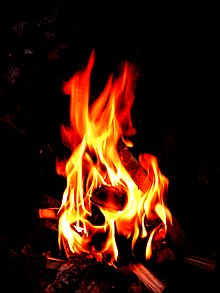
- Combustion
- Fermentation


